
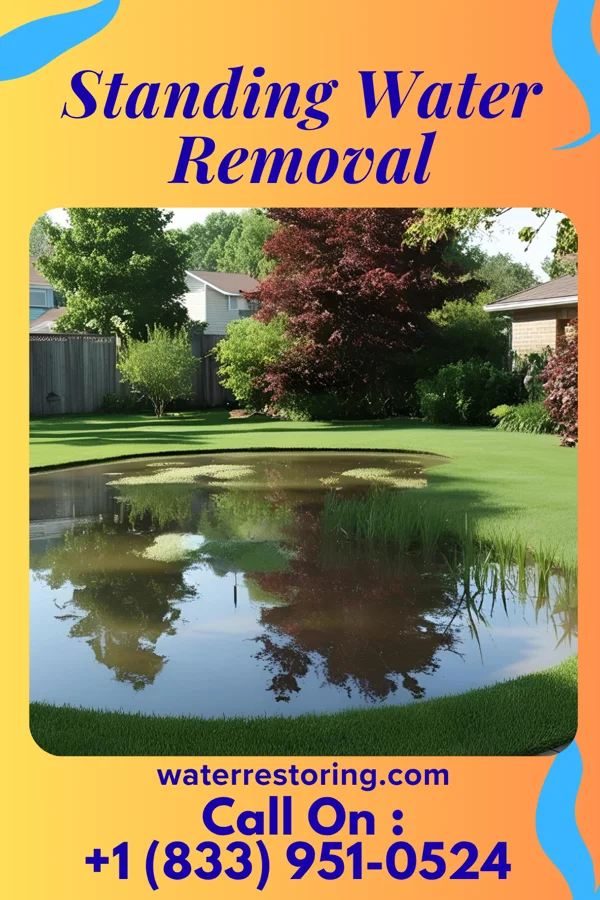
When Cincinnati Properties Need Standing Water Removal
Water damage in Cincinnati usually starts with In Cincinnati, Ohio, the primary cause of water damage often stems from leaking pipes, especially in older residential buildings and commercial properties. Additionally, heavy rainfall during the spring and summer months can lead to basement flooding and sewer backups, which are common in areas near the Ohio River.. A close second is Secondary causes include faulty appliances like washing machines and dishwashers, as well as malfunctioning HVAC systems. In the metropolitan area, sewer overflows during extreme weather events also pose a significant risk to homes and businesses.. Professional restoration follows the IICRC protocol on every job. Assess. Extract. Dry. Sanitize. Document.
Cincinnati experiences a humid continental climate with heavy precipitation in the spring and summer, increasing the risk of water damage. The proximity to the Ohio River also means that flooding can occur during severe storms, especially in low-lying neighborhoods.
Water damage in Cincinnati follows a few local patterns. In Cincinnati, Ohio, the primary cause of water damage often stems from leaking pipes, especially in older residential buildings and commercial properties. Additionally, heavy rainfall during the spring and summer months can lead to basement flooding and sewer backups, which are common in areas near the Ohio River. accounts for the bulk of our calls. Cincinnati experiences a humid continental climate with heavy precipitation in the spring and summer, increasing the risk of water damage. The proximity to the Ohio River also means that flooding can occur during severe storms, especially in low-lying neighborhoods. Mold growth in Cincinnati can develop rapidly due to the high humidity levels and frequent rainfall. Prompt water damage restoration is critical to prevent mold from spreading and causing long-term health and structural issues.