
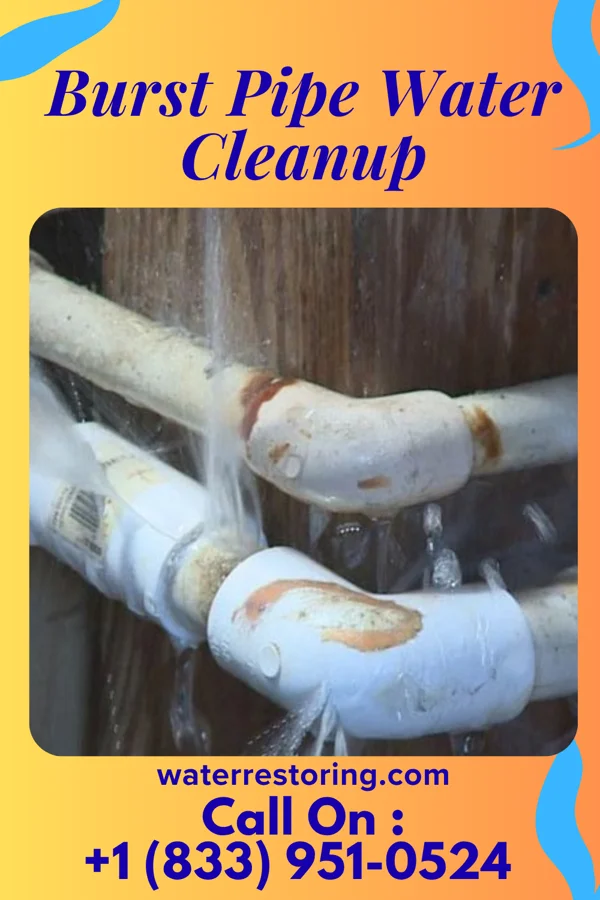
What Makes Cincinnati Prone to Burst Pipes
Living in Cincinnati means dealing with Cincinnati's older infrastructure, particularly in neighborhoods like East Side and West Side, increases the risk of burst pipes due to aging water mains. The city's high population density and frequent heavy rainfall also contribute to pressure fluctuations that can cause pipe failures. sooner or later. A close second is In areas near industrial zones such as Norwood and St. Bernard, the presence of underground utility lines and heavy traffic can compromise underground pipes. Additionally, the city's reliance on combined sewer systems can lead to overflows during heavy storms, increasing the risk of pipe bursts.. The good news: water damage is fully recoverable when you catch it fast and bring in certified technicians.
Cincinnati's climate, characterized by cold winters and heavy rainfall, creates a challenging environment for water systems. The city's humid summers and sudden temperature changes can lead to pipe corrosion and leaks, making burst pipe cleanup a frequent service need.
Most burst pipe water cleanup calls in Cincinnati come from Cincinnati's older infrastructure, particularly in neighborhoods like East Side and West Side, increases the risk of burst pipes due to aging water mains. The city's high population density and frequent heavy rainfall also contribute to pressure fluctuations that can cause pipe failures.. Running a close second is In areas near industrial zones such as Norwood and St. Bernard, the presence of underground utility lines and heavy traffic can compromise underground pipes. Additionally, the city's reliance on combined sewer systems can lead to overflows during heavy storms, increasing the risk of pipe bursts.. Local mold risk: Cincinnati's high humidity levels, especially in summer, create an ideal environment for mold growth after water damage. The city's frequent rainfall and damp climate increase the risk of mold if water is not properly removed within 48-72 hours.
For public guidance on the health effects of mold after prolonged water exposure, see the EPA mold and health page.